Blog
Practical guides written by musicians, for musicians, and the stories behind the apps.
The first three below are a series on American chord notation: where it came from, how to read it, and how to get a song off a recording with it. They are meant to be read in that order, and each one stands on its own.

Where chord symbols came from
Figured bass and its numbers, Rameau inventing the chord root, Roman numerals, the letters that dance bands put over a bar, Tune-Dex cards and the Real Book. What is documented, and what is only ever house style.
Read part 1
The basics of chord symbols
A plain letter means a major third, but a plain 7 means a minor seventh. That inversion is what confuses everybody, and there is a good reason for it. Then the rest of the vocabulary, plus scales, degrees and modes.
Read part 2
Working a song out by ear, when you are starting
An order of operations that works: loop and slow a passage, find the melody before the chords, then take each chord root first, top note second, colour last. Plus the four traps behind most wrong charts.
Read part 3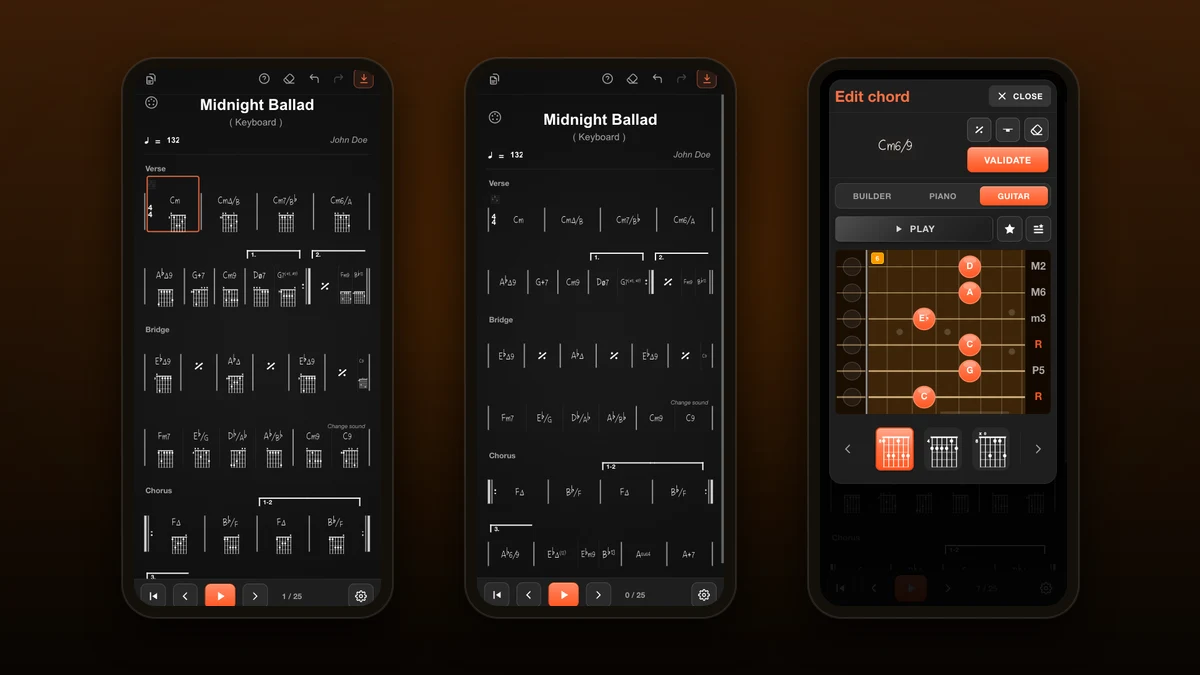
Building a Chord-Chart Editor That Works on a Phone
Chord charts have always been desktop work. Here's how we built a fast, gesture-driven chord-chart editor inside Chord Analyser - chord input by piano, guitar or builder, tablatures for any tuning, full song structure, and PDF export.
Read the story
How to Use Backing Tracks on Stage
Every live performer eventually faces this question. This comprehensive guide covers all the options - from dedicated audio hardware to smartphone apps - and helps you find the right solution for your setup, budget and role.
Read the guide
Triggering Sound Effects from Multiple Stage Positions
When sound effects need to be launched from different spots on stage, coordination becomes critical. This guide compares MIDI-based and smartphone-based approaches and their practical trade-offs.
Read the guideMultiply, the times tables game
An adventure game for children aged 7 to 10, where every multiplication is a spell. See the game
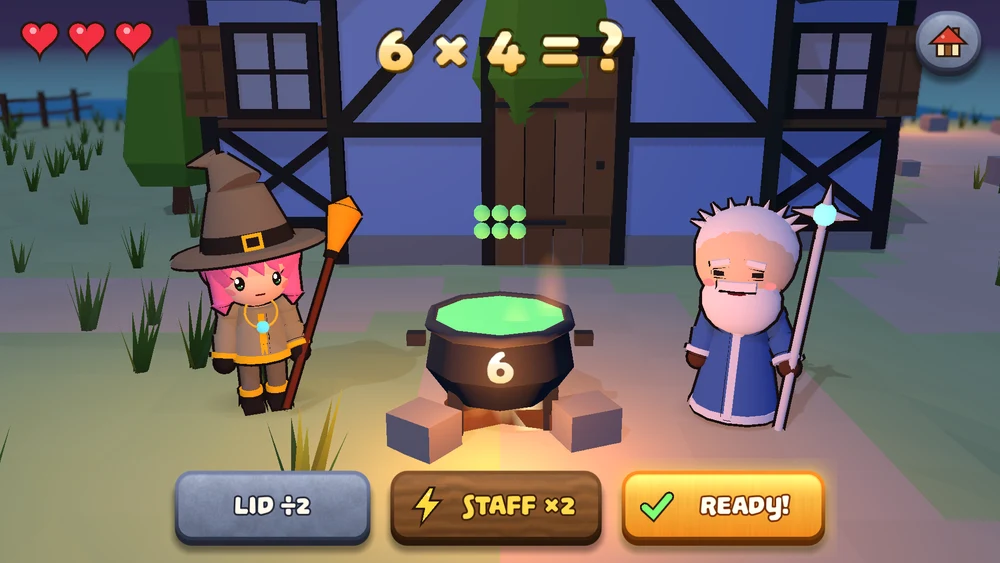
The story of Multiply
A daughter who could not get into her times tables, tablet games that were not fun, a first version in pixel art that took a year, a long pause, and a return in 3D.
Read the story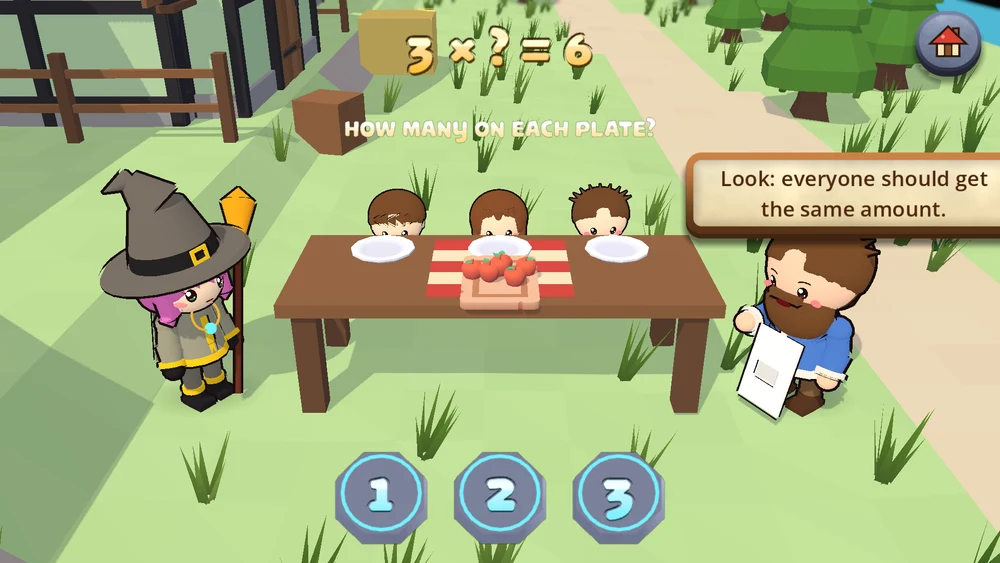
The mini-games of Multiply
Recall, both ways round, hidden divisions, doubles, rows and columns, speed, and the hard facts brought back: how a story gives every way of practising the tables a reason to happen.
Read it